


In interior lighting, few pieces offer the versatility, function, and style of a table lamp. Swapping an old lamp is a simple yet impactful upgrade—no wiring needed, just plug and play. Their portability makes them perfect for evolving spaces.
More than just convenient, table lamps are key to layered lighting. They provide focused light and add ambiance. This guide helps you choose the right table lamp for each room, balancing design and purpose.

The Strategic Role of Table Lamps in Interior Design
Form, Function, and Flexibility
Table lamps are not merely decorative accessories—they are integral to the way we experience and interact with our interiors. They provide concentrated light for reading, working, or relaxing, while also contributing to the mood and style of a space. With their ability to move between rooms and adapt to evolving layouts, table lamps offer unmatched design flexibility, making them indispensable in contemporary homes.
When choosing a lamp, consider both the lamp’s scale and its placement relative to seating or task areas, as well as how its material, color, and form will complement the broader design scheme.

Table Lamp Placement: Room-by-Room Guidance
Thoughtful Illumination for Every Living Space
To maximize the utility and design impact of a table lamp, think about how the room is used—especially areas where people are seated for extended periods. The following room-specific recommendations will help guide your selection process.
Living Room: Layered Light and Warm Ambience
In living rooms, table lamps create a cozy, welcoming mood. Placed on side tables near sofas or chairs, they provide soft light perfect for reading, chatting, or unwinding. Choose lamps with textured materials like ceramic, linen, or stoneware to echo other decor elements like vases or furniture accents.
Accent lamps on shelves or consoles can gently light dark corners, complementing natural daylight. Solid-colored bases offer subtle pops of color that enhance a neutral palette without overwhelming it.
Office or Study: Purpose-Driven Illumination
In home offices and study areas, table lamps serve as essential task lighting—supporting focus and productivity. Opt for adjustable designs that let you direct light exactly where it's needed, especially in rooms with limited natural light.
Since a standard table lamp covers around 40–50 square feet, larger workspaces may need extra lighting like a floor or ceiling fixture for even illumination. Choose lamps in neutral tones, minimalist shapes, or matte finishes to maintain a calm, professional atmosphere without distraction.
Dining Room: Decorative Layers Beyond the Centerpiece
While dining rooms are usually dominated by a central chandelier or pendant light, table lamps can add subtle sophistication to sideboards, consoles, or shelves flanking the dining area. These secondary lighting layers help soften the space, creating a more intimate and ambient setting—especially during evening meals or formal gatherings.
Opt for lamps that visually echo the dining room’s central fixture, either through shared materials, finishes, or proportions. This reinforces cohesion without duplicating the form, maintaining the elegance of a well-edited design scheme.
Bedroom: Comfort, Convenience, and Routine
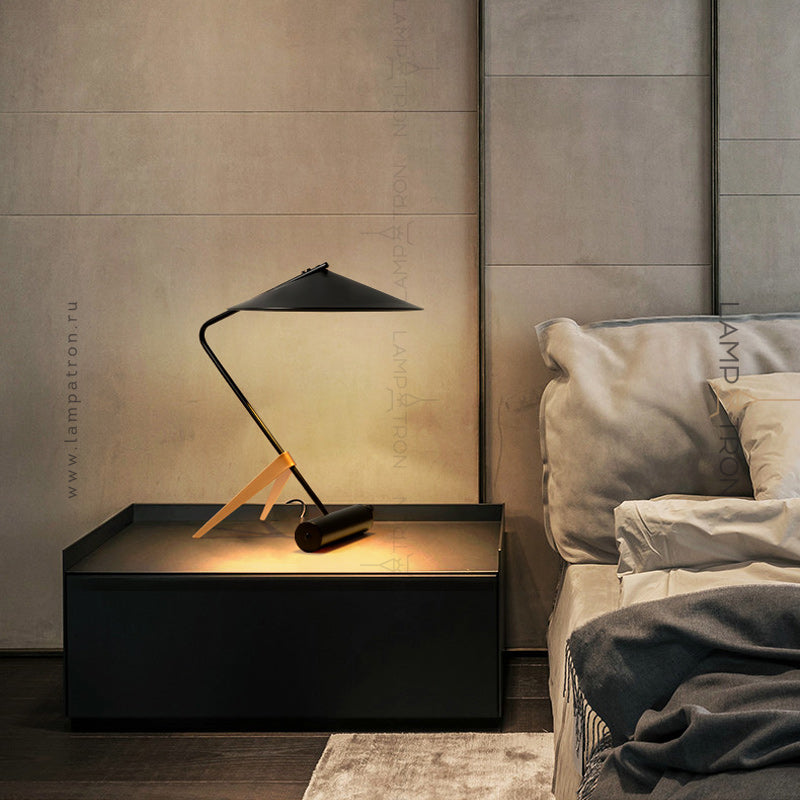
A bedside table lamp is key to both comfort and function in the modern bedroom. Whether you're reading, journaling, or unwinding, its warm glow helps ease the shift from day to night.
It also adds convenience and safety—letting you control light without leaving bed, and offering quick visibility at night, ideal for parents, shift workers, or light sleepers.
For best placement, align the bottom of the lampshade with your eye level while seated or reclining to avoid glare. Matching lamps aren’t necessary, but choosing ones with similar height and visual weight maintains balance and symmetry.
Key Design Considerations for Selecting the Right Lamp
Scale, Height, and Visual Cohesion
-
Proportions matter: The lamp’s height should relate to the height of the table and nearby seating. A lamp that’s too tall or too short will feel awkward and may cast unflattering light.
-
Lampshade alignment: To avoid glare, the base of the shade should sit at eye level when seated beside it.
-
Visual weight: Even when using non-identical lamps on either side of a sofa or bed, ensure they appear balanced in scale and mass to maintain design equilibrium.
-
Material palette: Consider how the lamp’s material—whether brass, glass, wood, or ceramic—integrates into your room’s tactile and tonal narrative.
In sum, selecting the right table lamp is about more than filling a surface—it’s about enhancing function, defining style, and contributing to the layered lighting that brings depth and personality to your home. With the flexibility to move and evolve alongside your space, a well-chosen table lamp is both a design investment and a daily companion—shedding light not just on your room, but on the way you live within it.